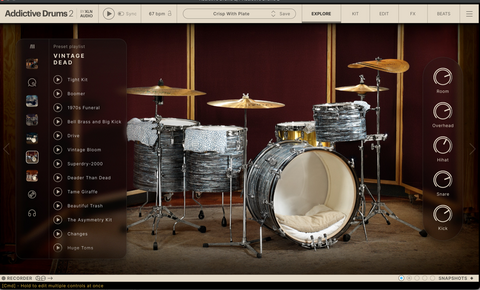
I didn't come to Addictive Keys Mark One on its own. I got there through Addictive Drums 2. After months of using AD2 in my boom bap and lo-fi productions, I'd built the kind of trust in XLN Audio that's genuinely rare — the kind you only develop when a plugin shows up and delivers, every session, without asking anything complicated of you. So when I started going deeper into lo-fi production and needed a piano VST that could sit alongside the warmth of my Moog Subsequent 37 and Sequential Prophet XL, Addictive Keys Mark One was the obvious next step.
I've been using it for several months now. The short version: not disappointed at all.
Disclosure: This post contains affiliate links. If you buy through them, we may earn a small commission at no extra cost to you — it helps us keep making free resources for hobbyist producers.
This is my honest review after extended hands-on use — what the Mark One actually sounds like, which presets I reach for, and who it's built for.
Key Takeaways
- Addictive Keys is XLN Audio's VST engine — the Mark One is a separate $99 instrument you purchase to run inside it. Think of it like Addictive Drums 2 and ADpaks: one platform, instruments sold individually.
- The Mark One is a Rhodes-style electric piano recorded through a vintage tube combo amp with 7 recording perspectives — XLN Audio's preset philosophy carries directly from AD2: sounds that work before you touch a knob.
- The Silverface, Traveller, and Warm Tines presets give you rich, warm, analog-adjacent Rhodes tones that sit naturally in lo-fi and R&B mixes.
- Mic position, pitch envelopes, built-in effects, and amp noise are all accessible without leaving the plugin — no extra signal chain needed.
What Is the Addictive Keys Mark One?
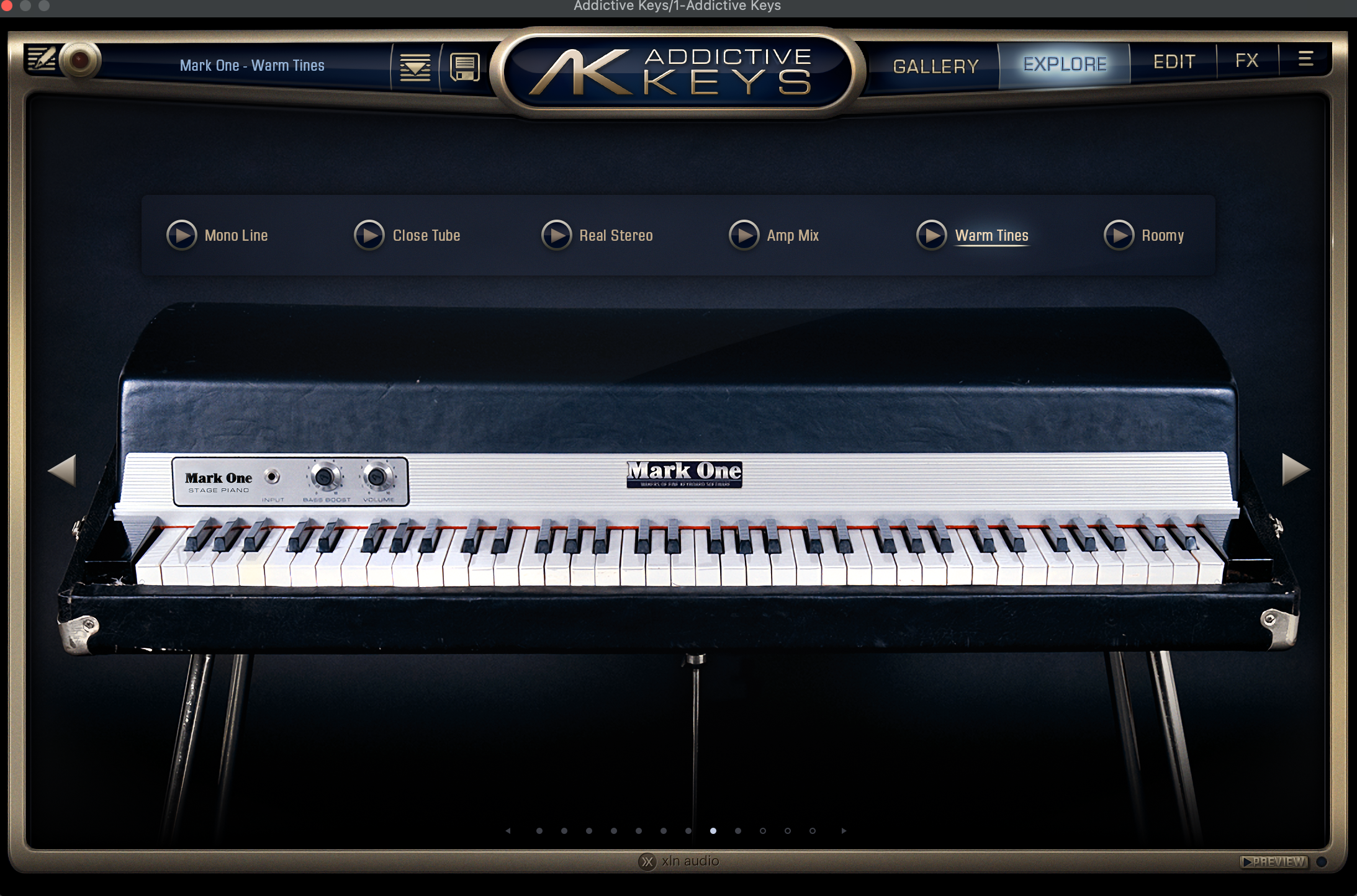
Before anything else, a distinction worth making: Addictive Keys is XLN Audio's VST plugin engine — the player that runs in your DAW. The Mark One is one of four individual instruments you buy separately that load inside that engine. When you purchase the Mark One, the Addictive Keys player comes with it through XLN Audio's MyCloud system. You don't pay for the engine separately, but the two are not the same thing. If you expand to a second instrument later, you're buying another library — not another plugin. This is the same model as Addictive Drums 2 with ADpaks.
The Addictive Keys Mark One is XLN Audio's Rhodes-style electric piano instrument, built around a classic Mk.1 stage piano recorded through a vintage tube combo amp using rare vintage microphones. The recording captures seven distinct perspectives — tube condenser, ribbon, dynamic, and room mic positions, plus direct and chorus outputs — giving you genuine tonal range within a single plugin. It's available as a standalone purchase for $99, or as part of the Addictive Keys Duo or Trio bundle if you want additional instruments from the lineup.
The Mark One loads inside XLN Audio's Addictive Keys engine alongside three other instruments — Studio Grand, Modern Upright, and Electric Grand. Each is purchased separately and registered through MyCloud. One engine, multiple instruments you expand into over time. The Mark One is the electric piano entry: specifically the warm, characterful Rhodes territory that producers in lo-fi, R&B, neo-soul, and gospel have been reaching for since the 1970s.
If you already use Addictive Drums 2, the engine and interface will feel immediately familiar. Same workflow philosophy, same browser approach, same commitment to presets that sound finished before you've touched a parameter.
How Does the Addictive Keys Mark One Piano VST Actually Sound?
The first thing I noticed was the warmth. Not a simulated warmth, not a brightness that's been rolled off in EQ — actual tonal richness that comes from the recording chain itself. The tube combo amp recording is the source of that character, and it's consistent across the preset set. Whether I'm loading Silverface, Traveller, or Warm Tines, there's an analog quality to the low-mids that I don't get from cleaner, more "transparent" piano libraries.
I'll put that in context: I own a Moog Subsequent 37, a Moog Grandmother, and a Sequential Prophet XL. My standard for "warm" is set by real analog hardware. When I say the Mark One gets close, that's not marketing language — that's what I'm actually hearing in the mix. It doesn't replace hardware, but in a lo-fi context where you're running your signal through effects chains anyway, it sits in the same emotional register.
The three presets I reach for most are Silverface, Traveller, and Warm Tines. Silverface has that clean, slightly glassy Rhodes tone that cuts through without being harsh. Traveller is darker and more diffuse — ideal for dreamy, lo-fi chord work where you want the piano to float behind the groove. Warm Tines is exactly what it sounds like: a Rhodes that's been recorded with a little more room and some gentle saturation baked in, making it one of the easiest-to-use presets for producers who want a finished sound fast.
Listen — My Session Previews
Recorded from my own sessions with each preset, unprocessed:
Silverface
Traveller
Warm Tines
What surprised me most was how good the presets sound without modification. This is the same thing I praised in my Addictive Drums 2 review — XLN Audio seems to genuinely prioritize making presets that work at a professional level before you've adjusted a single parameter. The Mark One doesn't break that pattern. Load a preset, play a chord, and it already sounds like something you'd hear in a finished record. That's not a given with piano VSTs at this price point.
What Makes the Addictive Keys Mark One Worth Using
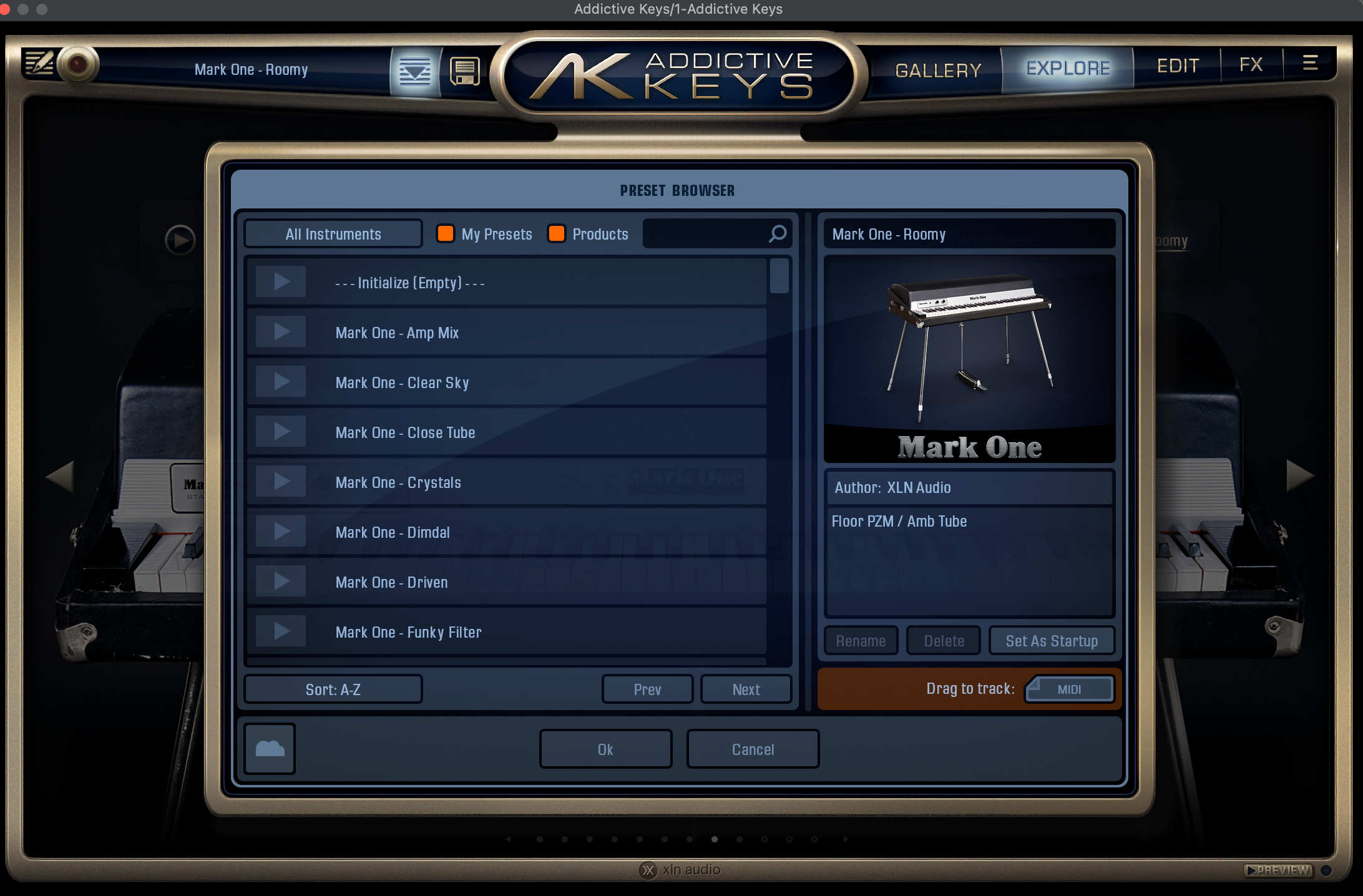
The seven recording perspectives are the feature that separates the Mark One from simpler piano plugins. Most electric piano VSTs give you one or two mic positions at most. The Mark One gives you tube condenser, ribbon, dynamic, room, direct, and chorus outputs — and you can blend between them using the on-screen mixer. This is the equivalent of repositioning microphones around a real piano, and it changes the fundamental character of the tone in ways that EQ alone can't replicate. Moving from a ribbon-heavy blend to a dynamic-heavy one gives you a different instrument, not just a different EQ curve.
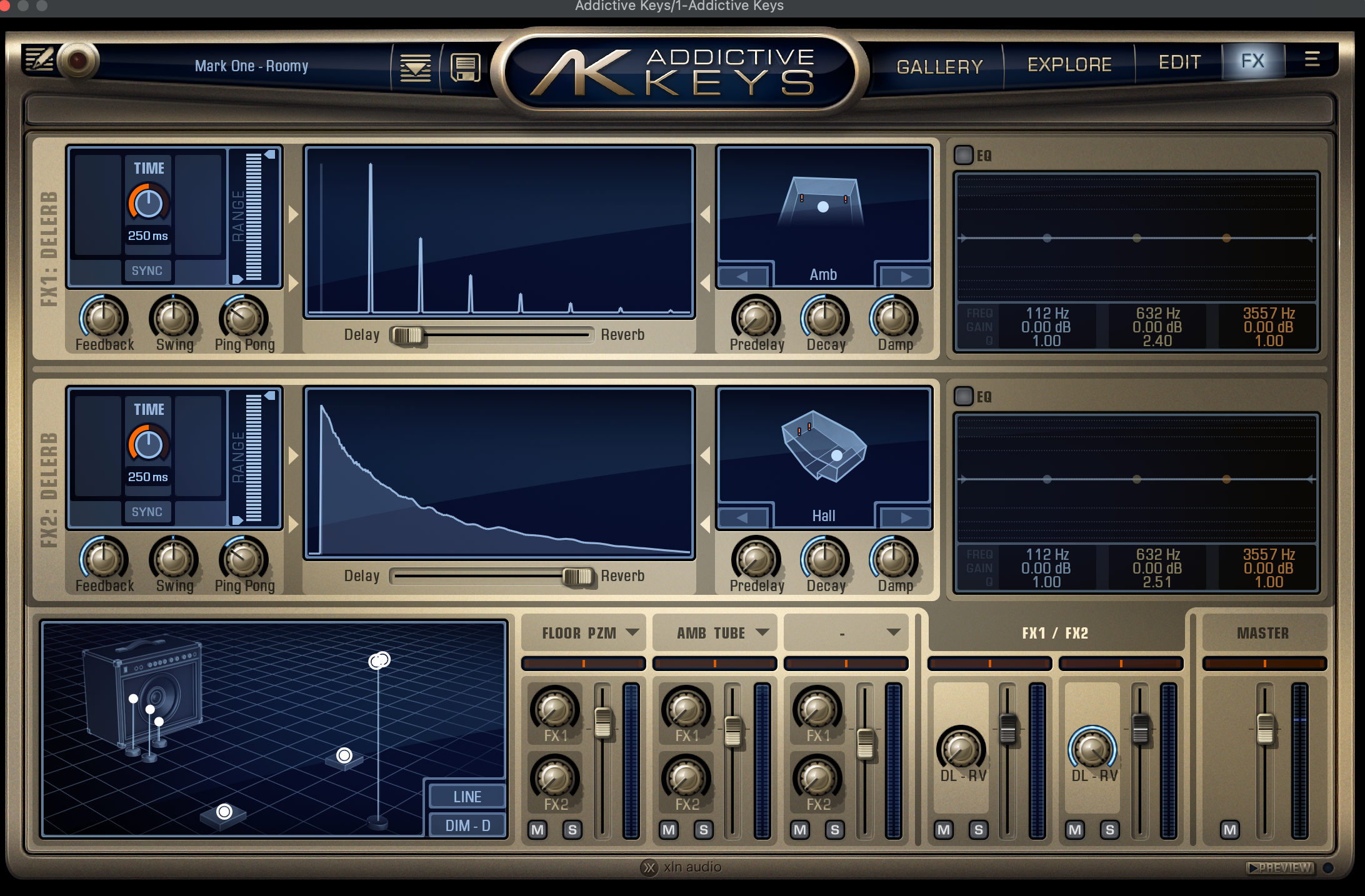
Mic position is one of the parameters I adjust regularly, and the interface makes it completely frictionless. Same for pitch envelopes, amp noise, and the built-in effects chain — compression, distortion, chorus, phaser, tremolo, and EQ are all accessible without leaving the plugin or opening a separate effects rack. For producers who want to work fast, this matters. The Mark One functions as a fully processed, mix-ready instrument, not a dry sample library waiting for external processing.
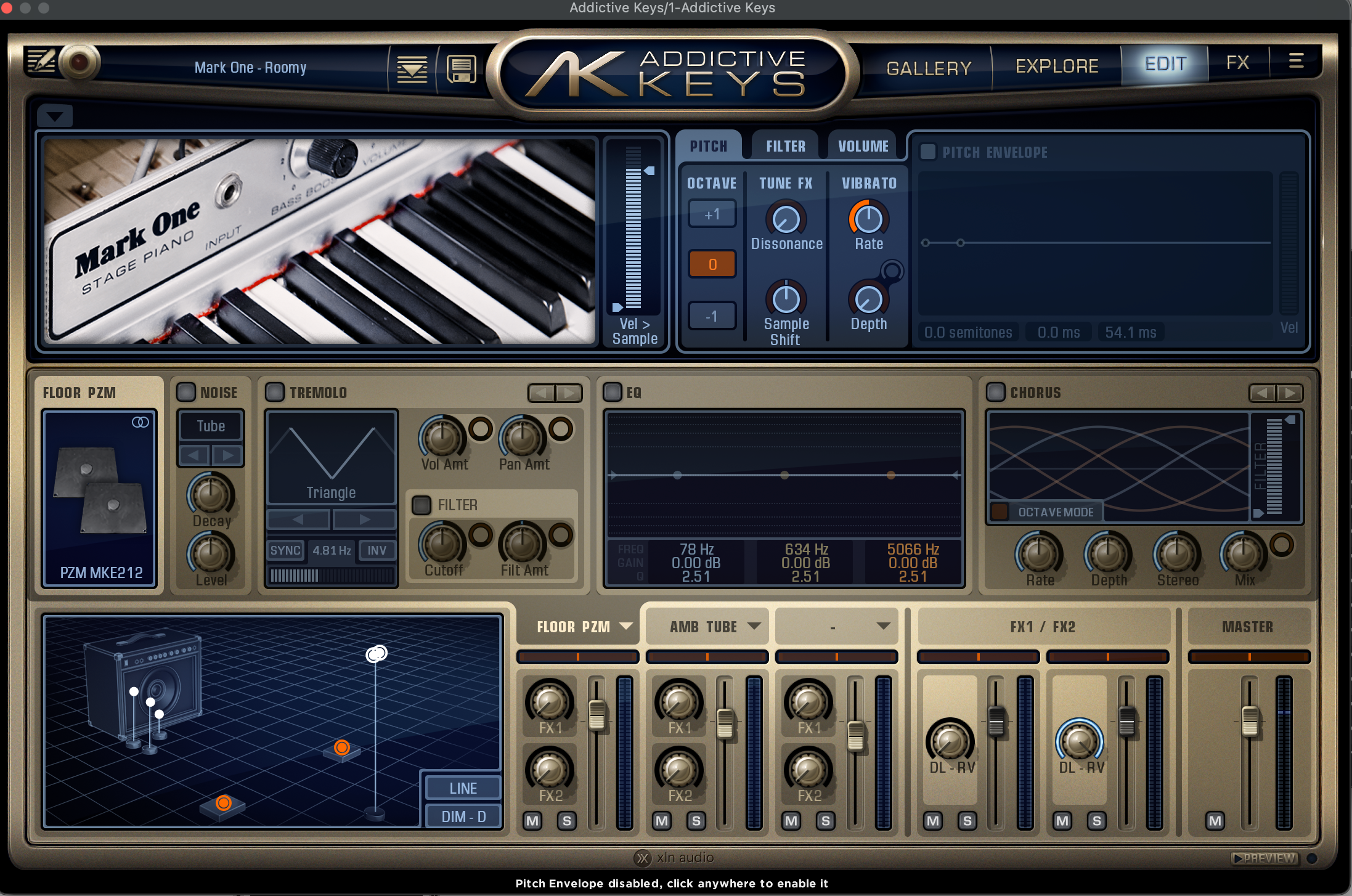
The ExploreMaps preset browser is also worth mentioning. It organizes presets visually so you can audition tones quickly rather than scrolling through a long list. In practice, this means you can find the right character for a track in under a minute rather than spending twenty minutes preset-hunting. Paired with the fast loading time — the plugin opens nearly instantly — the Mark One fits into a workflow that prioritizes keeping creative momentum going.
What Are the Real Drawbacks Before You Buy?
The honest answer is that the Mark One doesn't have significant drawbacks at the $99 price point. In extended use, I haven't hit anything that limited what I was trying to do. Mic position, effects, envelopes, amp noise — the flexibility is there and it's all accessible without friction.
The criticisms that do exist in the broader community are structural rather than sonic. The interface carries design decisions from when the plugin launched and hasn't been redesigned since — it functions well, but compared to newer VSTs with more modern UI conventions, it looks its age. This doesn't affect how the plugin sounds or how fast you can work, but it's worth knowing if interface aesthetics matter to you.
The per-instrument pricing model is also worth understanding before you commit. At $99 per instrument, adding the full Addictive Keys lineup individually gets expensive. XLN Audio addresses this through the bundle options — the Duo Bundle ($169) lets you choose any two instruments, saving $29 versus buying them separately. The Trio Bundle ($199) covers any three instruments, which saves $98 compared to three individual purchases. If you know you want more than just the Mark One, the bundles are the better value.
The instrument count in the Addictive Keys lineup — four total — is smaller than what you'd find in larger piano libraries. If you need orchestral strings, specialty instruments, or an exhaustive set of acoustic pianos, Addictive Keys isn't designed to be that. It's a curated, high-quality set of keyboards, not a broad sample library. That's a tradeoff worth knowing, not a flaw.
Bundle Options: Duo and Trio
If the Mark One connects with your workflow and you want to expand, the bundle options make that straightforward. The Addictive Keys Duo Bundle at $169 lets you choose any two instruments from the full lineup — Mark One plus the Studio Grand would cover electric and acoustic piano in one purchase. The Trio Bundle at $199 adds a third instrument, bringing the cost per instrument down to around $66 — the most efficient way to build out the collection.
For producers who want to start with what they know they'll use and expand from there, buying the Mark One first and upgrading to a bundle later is a reasonable path. XLN Audio's pricing structure supports this — you're not locked into a single purchase decision upfront.
Where to Buy
Addictive Keys Mark One is available on Plugin Boutique — the most reliable place to buy, with instant download and license management through MyCloud.
→ Addictive Keys Mark One — $99 on Plugin Boutique
Who Should Buy the Addictive Keys Mark One?
If you produce lo-fi, R&B, neo-soul, gospel, or any genre where a warm, characterful electric piano is a core element of your sound — the Mark One is worth buying. The preset quality, the tonal warmth from the vintage recording chain, and the flexibility of the mic-mixing approach give you a usable instrument from the first session, not after days of sound design.
If you already use Addictive Drums 2, you have a specific reason to trust this: XLN Audio's philosophy carries across the entire product line. Same commitment to presets that work before you modify them. Same fast, efficient workflow. If AD2 is part of your toolkit, the Mark One slots in naturally alongside it.
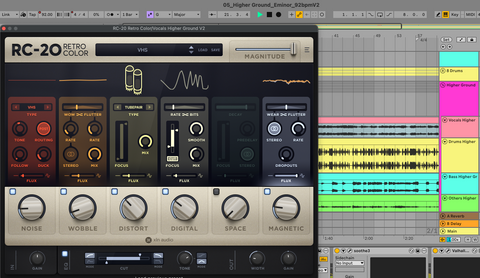
If you're building out a hardware and software hybrid setup, the Mark One also pairs well with effect plugins that add texture. I've used it alongside the XLN RC-20 Retro Color to add tape warmth and vinyl character on top — the combination sits very naturally in lo-fi and R&B productions. And if you're looking at hardware to anchor the rhythm section, the Roland TR-1000 is what I'm using for drums in the same sessions.
If you're a producer who needs a transparent, ultra-realistic acoustic grand piano for classical or orchestral work, the Mark One isn't that. It's an electric piano built for character and warmth, not clinical accuracy. There are better options for that use case.
My one-sentence verdict: at $99 for what it delivers, the Mark One is the easiest piano VST recommendation I've made.
Frequently Asked Questions
Is Addictive Keys the same thing as the Mark One?
No — they're separate. Addictive Keys is XLN Audio's VST plugin engine; the Mark One is an instrument you purchase individually that runs inside it. When you buy the Mark One, the Addictive Keys player is included through XLN Audio's MyCloud download system. You get one plugin in your DAW, but the engine and the instrument are distinct products. This matters when you expand: adding a second instrument means buying another library, not another plugin.
How much does Addictive Keys Mark One cost?
Addictive Keys Mark One is $99 on Plugin Boutique. The Duo Bundle (any 2 instruments) is $169 and the Trio Bundle (any 3 instruments) is $199 — the Trio saves $98 compared to buying three instruments individually at $99 each.
Is Addictive Keys Mark One good for lo-fi music production?
Yes — the Mark One's warm, analog-adjacent tone makes it one of the better piano VST choices for lo-fi production. The vintage tube amp recording chain gives it a natural character that sits well in lo-fi mixes without needing heavy processing. Presets like Silverface, Traveller, and Warm Tines are particularly well-suited for the genre.
What's the difference between the Addictive Keys instruments?
The Addictive Keys lineup includes four instruments: Mark One (Rhodes-style electric piano), Studio Grand (acoustic concert grand), Modern Upright (upright acoustic piano), and Electric Grand (electric grand piano). Each is sold separately at $99 or bundled in Duo ($169) and Trio ($199) options. The Mark One is the electric piano — warm, characterful, and built for genres where texture matters more than clinical realism.
Does Addictive Keys Mark One require a lot of sound design knowledge?
No. The Mark One is specifically designed around presets that work before you adjust anything — mic position, effects, envelopes, and amp noise are all accessible and labeled clearly, but you don't need to touch them to get professional-sounding results. It's one of the more approachable piano VSTs for producers who want to play and record rather than program sounds from scratch.
How does the Addictive Keys Mark One compare to other piano VSTs?
At $99, the Mark One's 7-mic-perspective recording setup and built-in effects chain offer more tonal flexibility than many similarly priced electric piano VSTs. Larger piano libraries like Keyscape cover more instrument types at a higher price, but for a dedicated Rhodes-style instrument focused on warmth and workflow speed, the Mark One is a strong choice in its price range.
Sources: ProducerSpot, "Addictive Keys VST Plugin Review", retrieved 2026-07-23; Sound On Sound, "XLN Audio Addictive Keys Review", retrieved 2026-07-23; Royalty Free Music Hub, "Addictive Keys in Music Production", retrieved 2026-07-23